
After a couple of months delay, the much anticipated, new Mountaintopper MTR3B-v4 arrived in my mailbox this past Friday. This post is about my initial experience with this new radio.
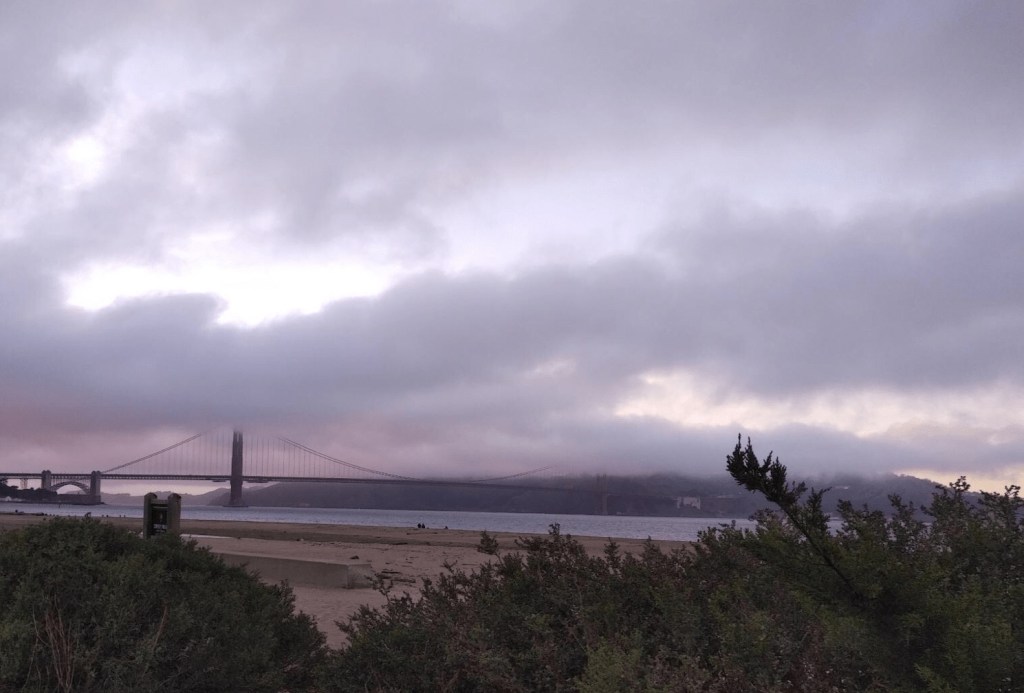
As soon as I could dip out from work, I took the new Mountaintopper down to the shores of San Francisco Bay for a 00UTC POTA activation start at the Presidio of San Francisco US-7889.

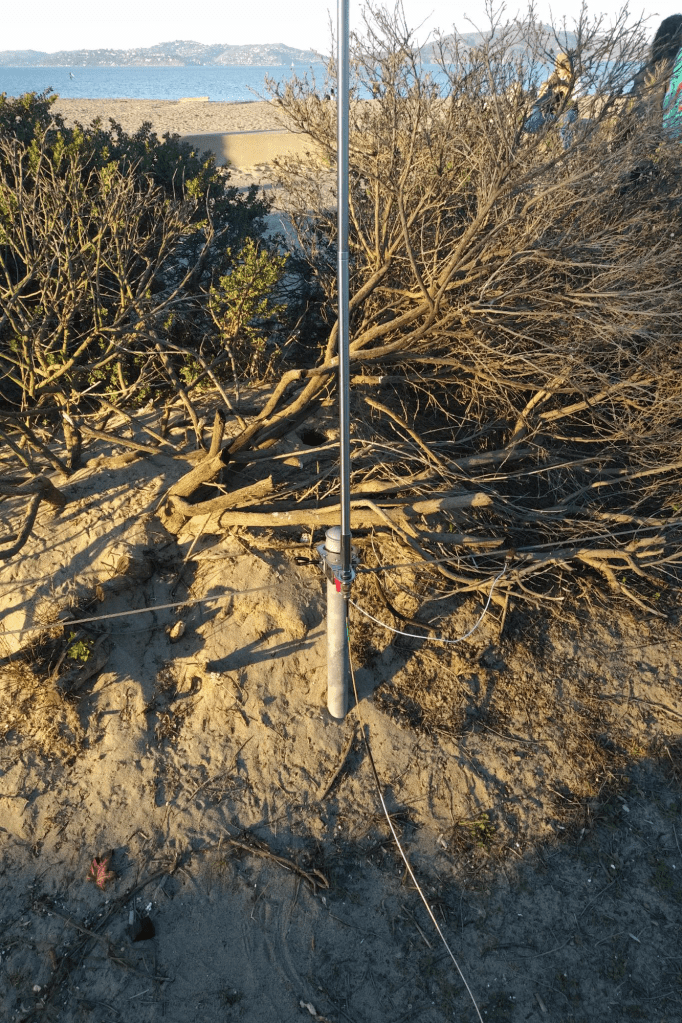
Thanks to WB0RLJ and K4SWL sharing videos that include my signals, I have a real sense of how weak my QRP signal can be east of the Rockies. In an effort to improve my signal strength I’ve started using a full quarter wave vertical on 20m and higher if it is not too windy. The proven mounting location for the vertical demands that I use the car’s trunk lid as an operating table.
I also have the red MTR4B with LCD screen so that’ll be the reference for comparison. The new color OLED display on the 3B looks good, although I’ve heard that it draws more current than the monochrome LCD. Not a big deal because my typical operating doesn’t come with strict power constraints.

I wish the full frequency was shown on the 3B’s OLED. There is room for it, but for whatever reason, the software designers omitted the megahertz digits from the frequency display.
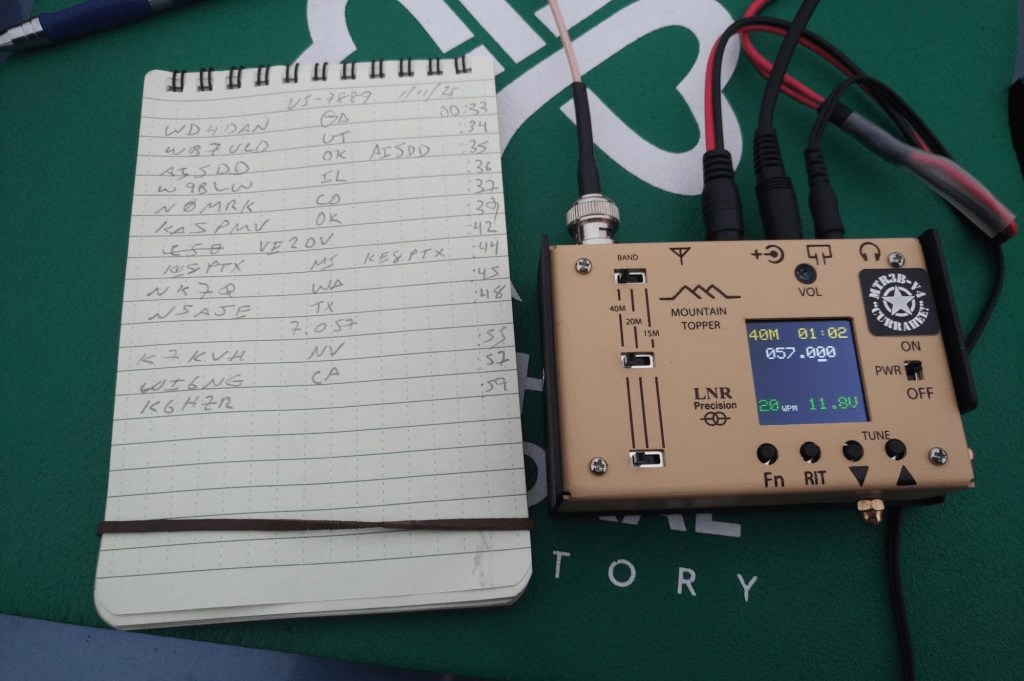
The new ultra-fast frequency change mode is okay, but I miss the direct frequency entry (DFE) mode found on the older MTR4B as a means of making large frequency excursions.
On the workbench at home, I tried the new capacitive touch keyer included on the new MTR but found it to be a bit sensitive, it’ll take some practice to get good with it. So for this first outing I stuck with paddles for sending the code.
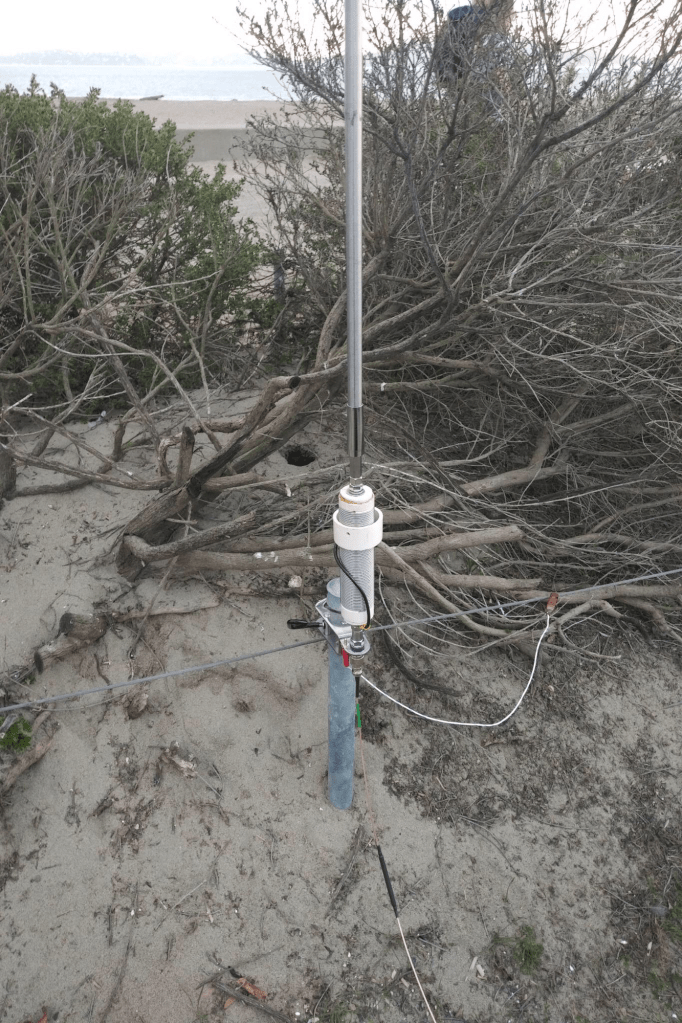
The MTR3B’s 4.5 watts with a Talentcell 12v LiIon battery pack did about as expected, making contacts all across North America. After qualifying the activation on 20 meters, I installed the Wolf River Coil and QSY’d down to 40m for a few more QSOs before deciding it was too cold with the coastal stratus pushing in.
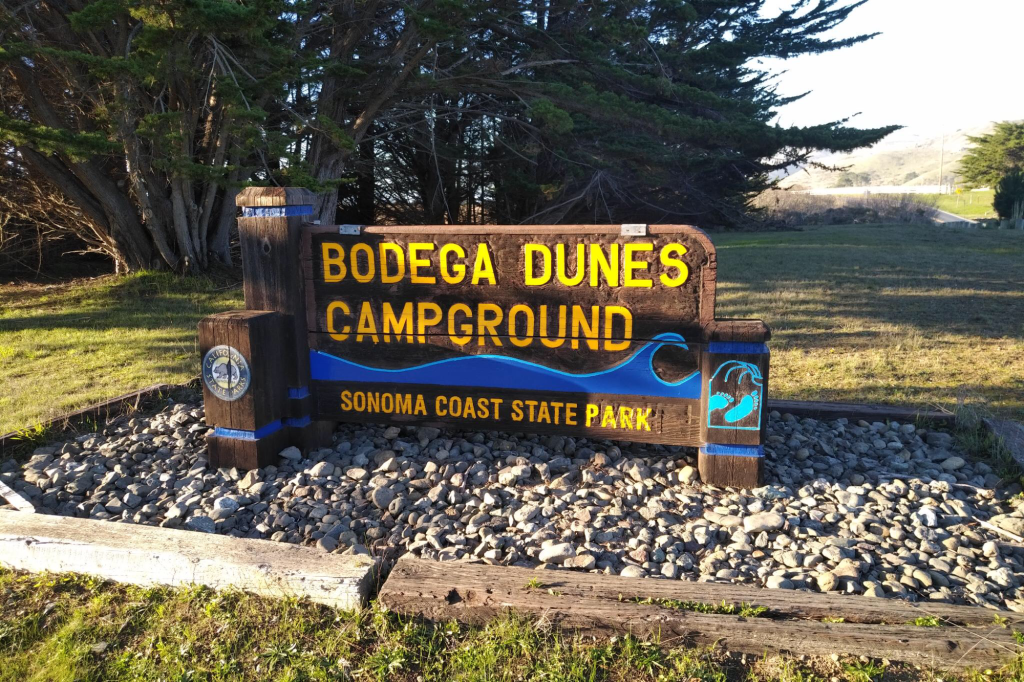
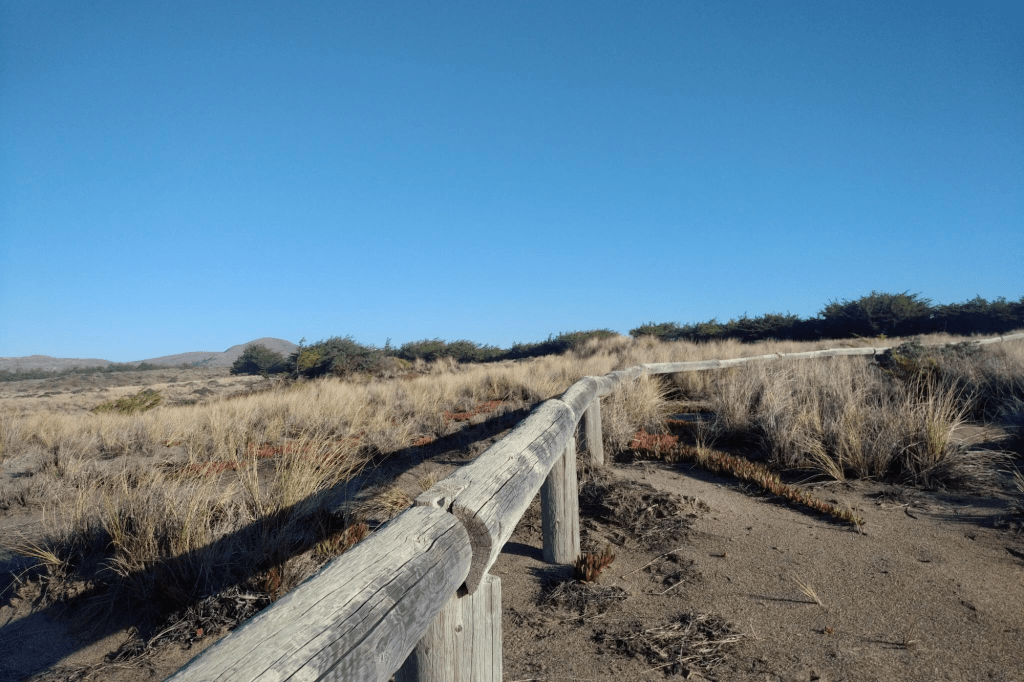
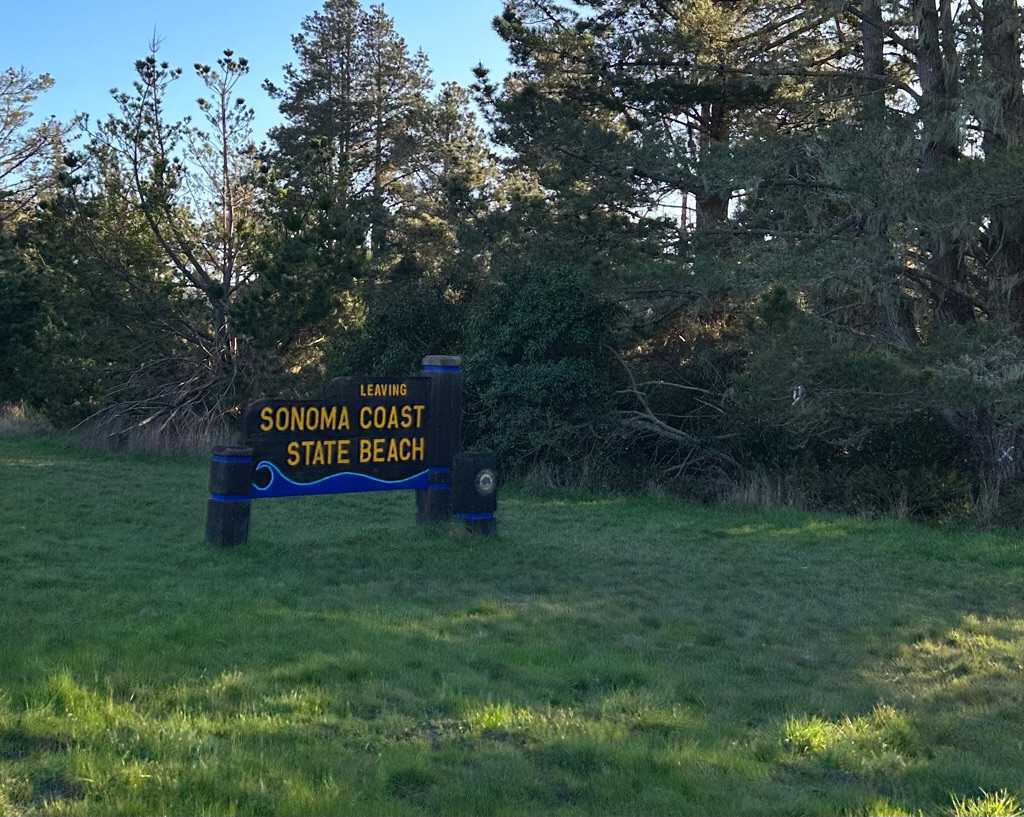
The next day, Saturday, dawned clear with the promise of temperatures in the 60s. My second harmonic wanted to go visit Bodega Bay on the Sonoma Coast. Naturally, a POTA activation was made part of the plan. Recalling the last time I’d operated from Sonoma Coast State Park, I knew there was no service there so I made sure to schedule the activation so that hopefully I would be spotted via the RBN and wouldn’t have to rely on Sotamāt’s satellite SMS service.
On the drive up to Bodega Bay we stopped in the little “town” of Valley Ford to grab some provisions for lunch. While waiting for others to finish shopping I whipped out the Elecraft KH1 to see if I could make an opportunistic QSO or two. It was at this point I discovered that it was a contest weekend, always a challenge for the QRP POTA op. Nevertheless, I hunted KE7ICU on 17m from the parking lot of Northern Light Surf Shop in the old Dairyman’s Bank in Valley Ford before continuing our drive toward Sonoma Coast State Beach.
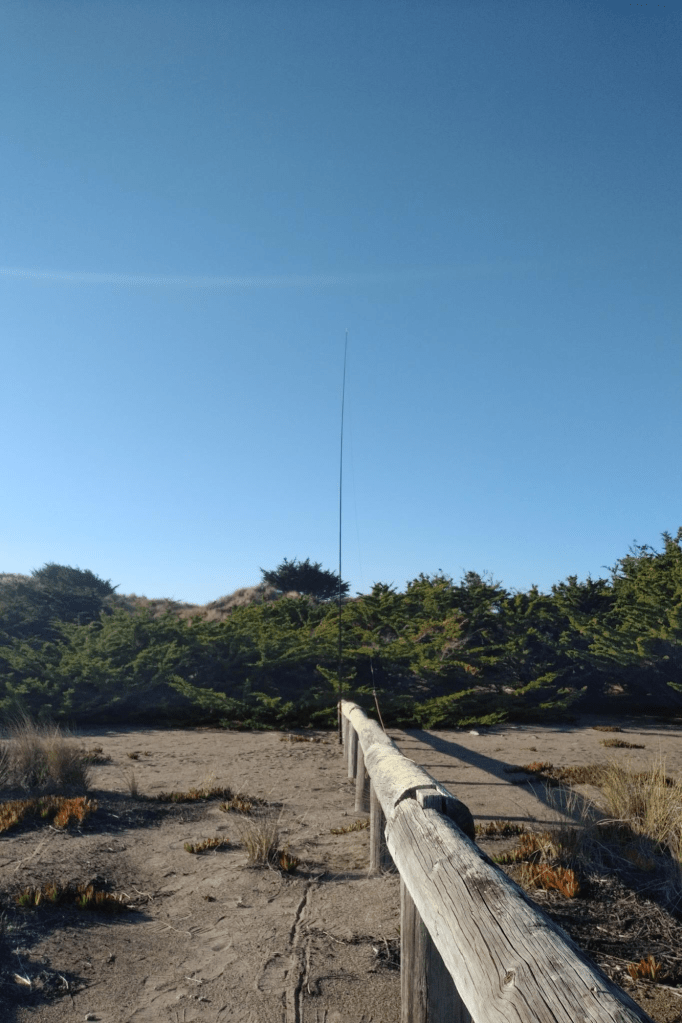
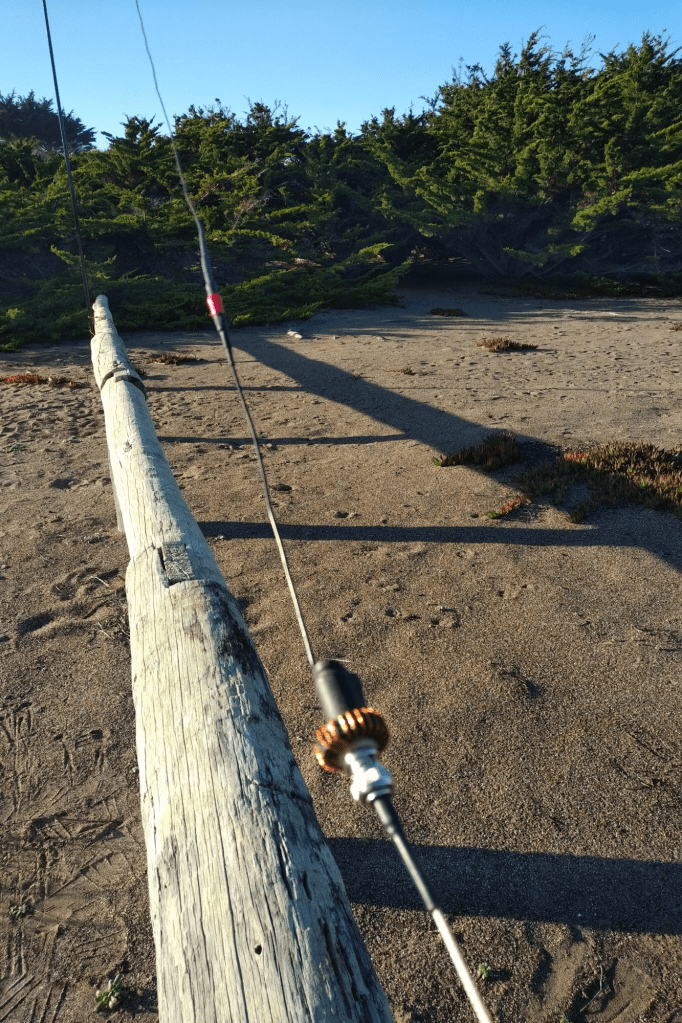
The antenna this time was an EFHW hoisted aloft on a Spiderbeam 7 meter mast with a Sparkplug 64:1 transformer bringing the impedance down to near 50 ohms for the MTR3B. Checking with the new “TUNE” feature, the SWR read 1.0 – the radio was happy and so was I.
As it happens, I forgot the CW Morse paddles so I would have to have get to know the capacitive touch keyer right away. Balancing the MTR3B on my knee I started beaconing CQ POTA way up at 14.107 MHz, trying to stay out of the shark filled waters of a CW contest.
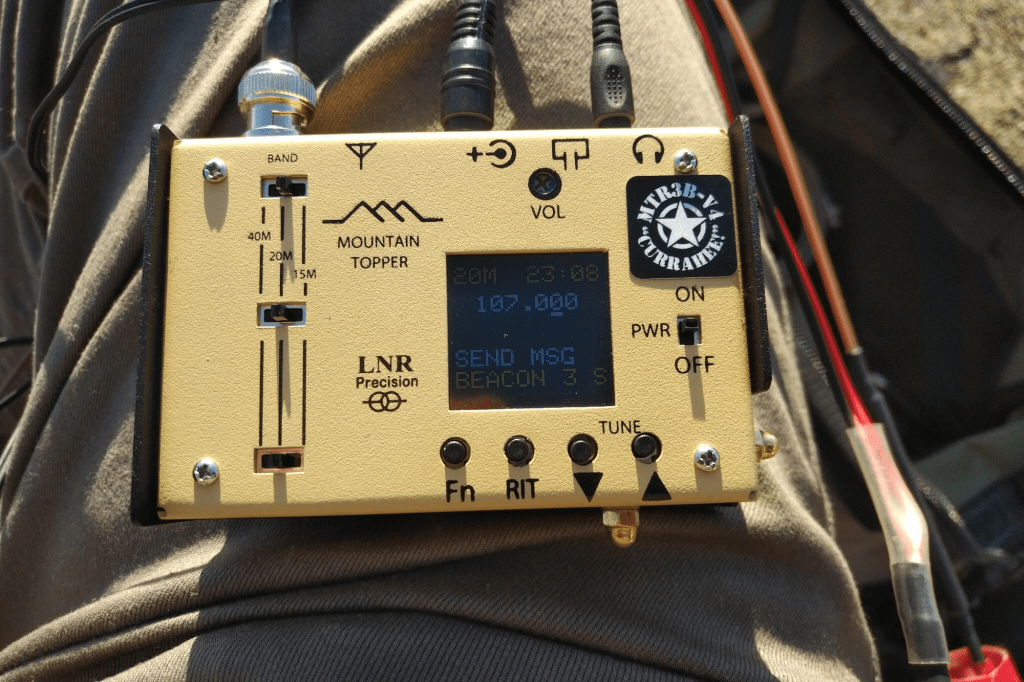
Being totally new with the touch keyer, I was sending some pretty bad code. Plus, there is a fault in my power cabling system where if I move the rig or the power lead too much I lose power to the radio. Yes, annoying! I’ll definitely have to sort that out.
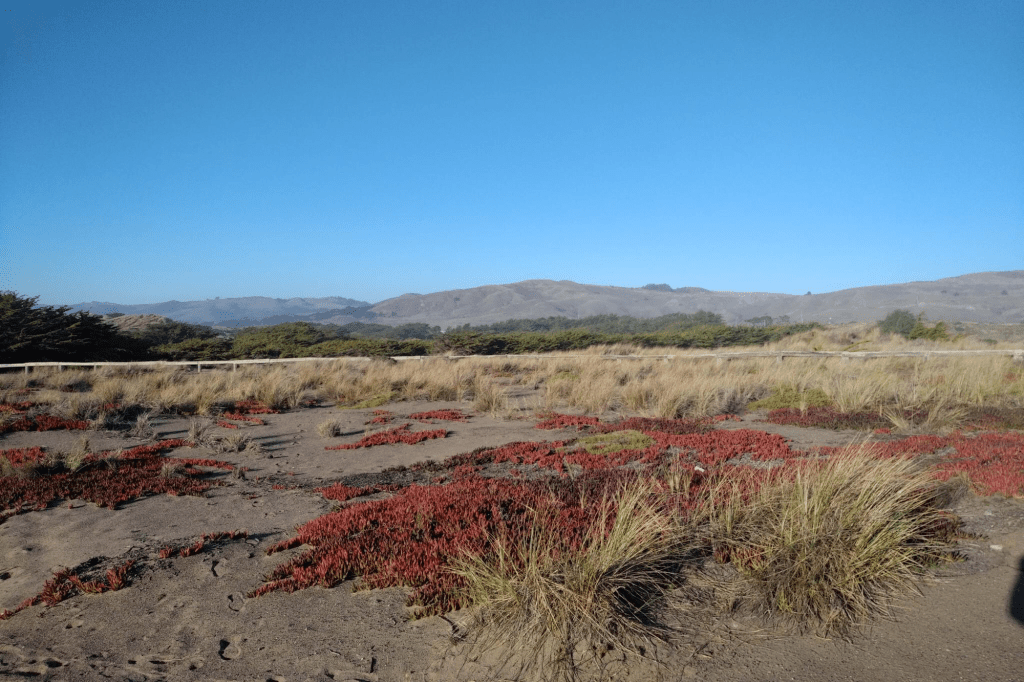
It seems the MTR3B doesn’t power up on the last used frequency on the band, instead defaulting to 14.060 on 20m. This made QSYing back up to 14.107 a bit of a chore. Given the unstable operating conditions with the Mountaintopper and having less than an hour before 00UTC rolled around, I decided to throw in the towel and switch over to the KH1 for the rest of the activation. The internal battery avoided the power issue and I know how to send code with the KH1’s paddles.
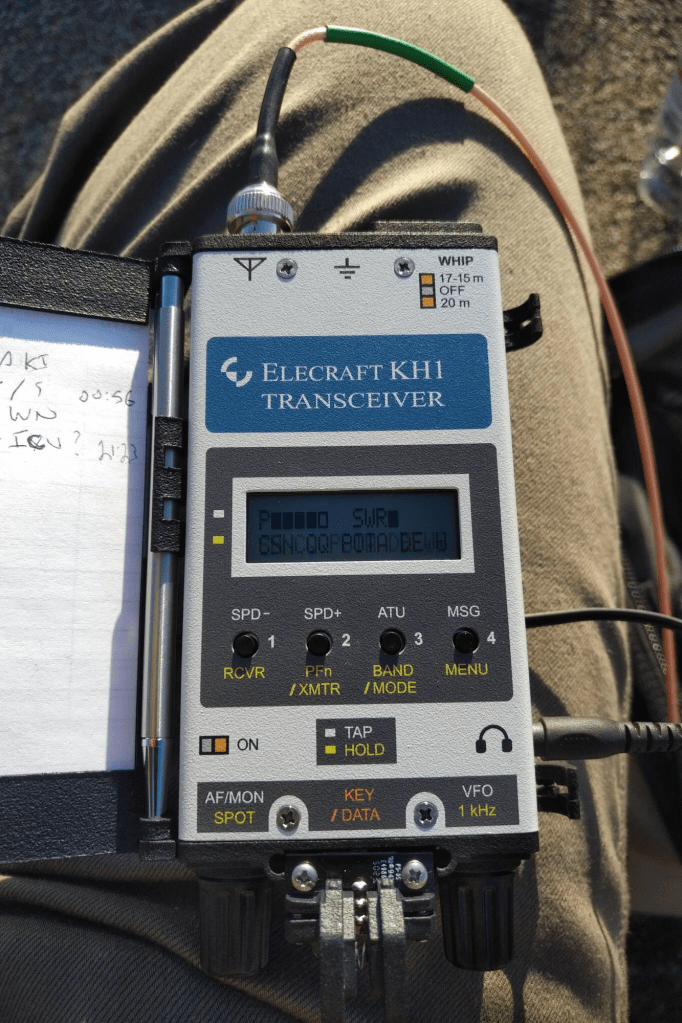
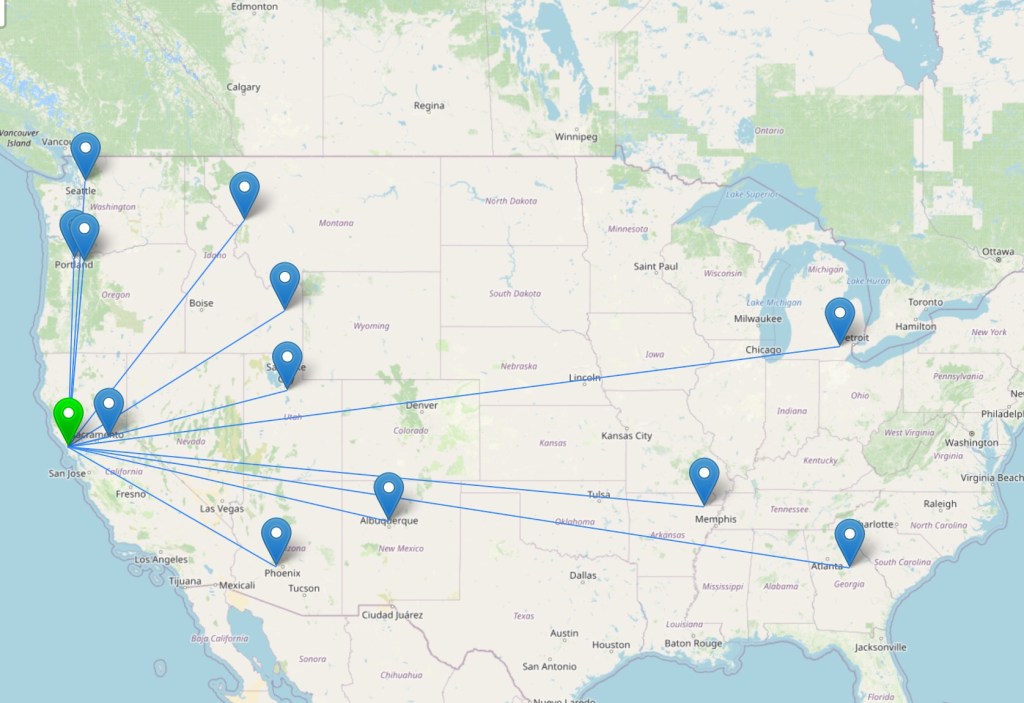
It turns out 14.107 MHz was not the quiet spot I’d hoped for as I was getting totally clobbered by some strange MFSK mode. QSYing down to 14.102 MHz gave some relief from the QRM and I finished off the activation with 13 contacts, mostly from the West Coast and Intermountain West states.
With the activation done, the sun about to dip below the horizon, and two hour drive back home, we wrapped up from Sonoma Coast State Park.
So far, I do like the new Mountaintopper “Currahee” edition, however except for the opportunity to get my hands on an MTR3B it doesn’t bring much new to the portable QRP party.
That said, I still need to take it up a mountain with some kit that plays to the radio’s strengths, like a smaller, reliable battery system, to really give this new Mountaintopper a fair shake.
72 de W6CSN


 w6csn’s outdoor amateur radio
Leave a comment